
Surfaces Prepared and Coated for Long-Term Protection
Interior and exterior painting in Southaven for homes with faded, peeling, or outdated finishes
Paint loses adhesion when moisture penetrates exterior siding or interior humidity damages wall coatings, causing visible peeling, bubbling, and color fading that expose bare wood or drywall underneath. All Around Renovations provides interior and exterior painting in Southaven for properties where failing finishes no longer protect surfaces from weather exposure or daily wear. The work addresses walls that show mildew growth from trapped moisture, trim boards with cracked and lifted paint, and rooms with outdated colors that affect property appearance.
Painting begins with surface preparation because coating durability depends on what sits beneath the paint layer: loose material is scraped away, holes and cracks get filled and sanded smooth, and surfaces are cleaned to remove dirt and oils that prevent new paint from bonding. Exterior work requires washing siding to eliminate mildew spores, priming bare wood exposed by peeling, and applying finish coats during low-humidity periods when paint cures properly without trapping moisture underneath.
Request a property inspection to assess surface conditions and determine preparation requirements before painting begins.
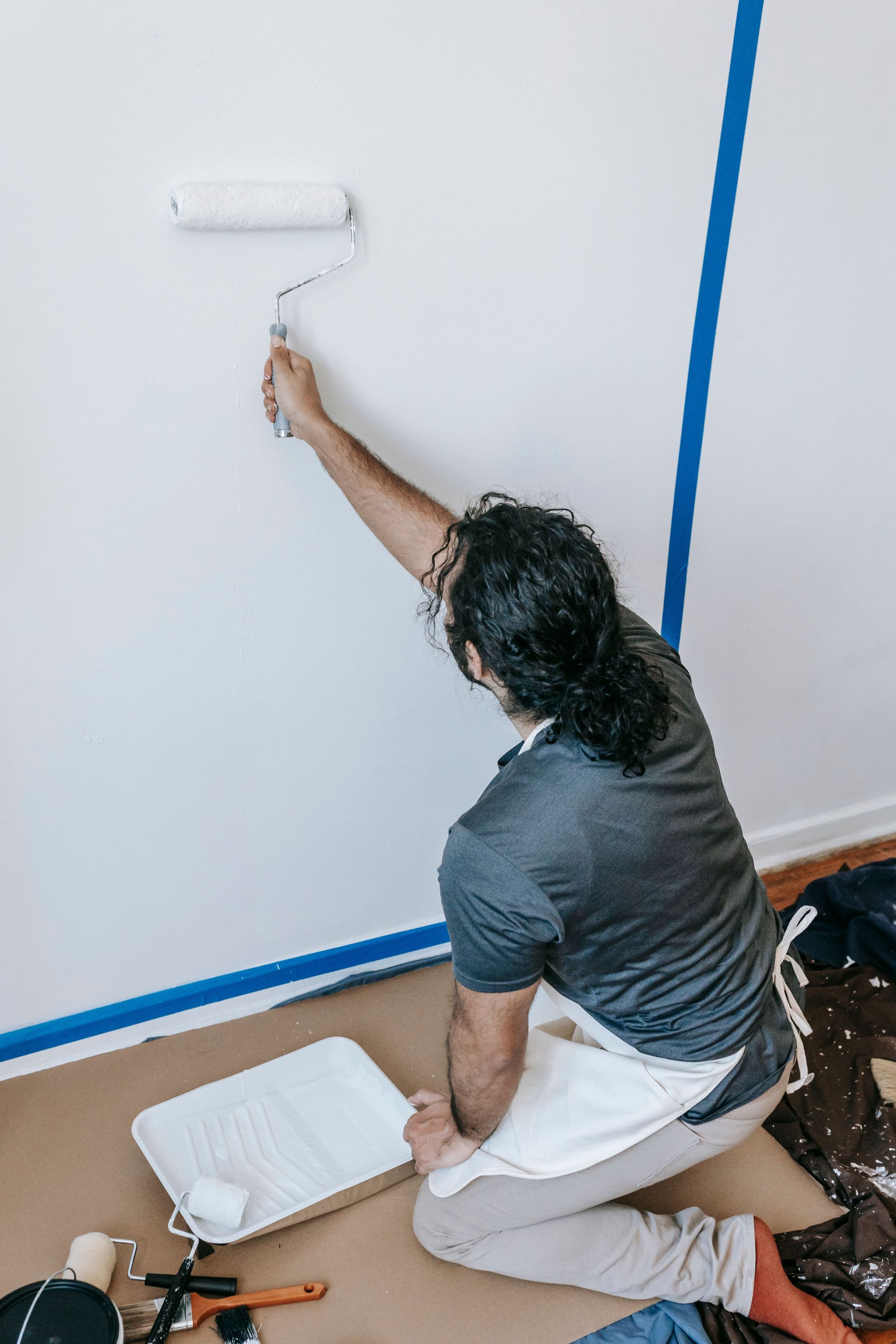
What Changes After Painting Completes
The process involves applying primer to surfaces with exposed material or stains that bleed through topcoats, rolling or brushing paint in consistent directions that avoid visible lap marks, and cutting in edges where walls meet ceilings or trim with clean lines. Exterior painting prioritizes south and west-facing walls that receive the most sun exposure and deteriorate faster in Mississippi's climate, while interior work addresses high-traffic areas like hallways and living spaces where walls accumulate scuffs and marks from furniture contact.
After completion, walls display uniform color without streaks or thin spots where old paint shows through, trim boards present sharp boundaries between different colors without bleeding or overlap, and exterior siding develops a sealed surface that sheds water instead of absorbing moisture. Rooms appear visibly brighter when fresh paint reflects indoor lighting more effectively than aged, dulled coatings.
The service includes minor patching of small holes and cracks during preparation but does not cover extensive drywall repair, siding replacement, or wood rot remediation that extends beyond surface coating. Properties with widespread moisture damage or structural wood decay require those repairs before painting provides lasting protection..
Answers to Frequent Service Questions
Property owners usually ask about timing, preparation steps, and how climate affects paint performance before scheduling work.
What preparation determines whether new paint lasts or fails prematurely?
Surface adhesion depends on removing loose material, filling gaps where moisture can enter, and priming bare spots so topcoats bond chemically to the primer layer rather than sitting loosely on slick or porous surfaces.
Why does exterior paint peel faster on certain walls than others?
South and west exposures in Southaven receive intense afternoon sun that breaks down paint binders faster than shaded walls, and surfaces without roof overhangs absorb more rain that penetrates coating layers and lifts paint from underneath.
How does Mississippi humidity affect interior painting timing?
Paint requires adequate air circulation and moderate humidity to cure properly without trapping moisture inside the coating, so work proceeds best during spring and fall when indoor conditions stay stable without extreme heat or dampness.
What makes some paint finishes more practical than others for specific rooms?
Flat finishes hide wall imperfections but cannot be scrubbed clean, semi-gloss coatings resist moisture and wipe down easily in kitchens and bathrooms, and satin provides a middle option that handles light cleaning without showing every surface defect.
How long do properly applied exterior and interior coatings last before repainting becomes necessary?
Exterior paint typically lasts five to eight years depending on sun exposure and climate stress, while interior walls often go a decade or longer before fading or wear requires new coats in low-traffic spaces.
All Around Renovations evaluates surface conditions and exposure factors to recommend preparation steps and coating types that perform reliably on your Southaven property. Contact us to schedule a detailed assessment and review color options for interior and exterior spaces.